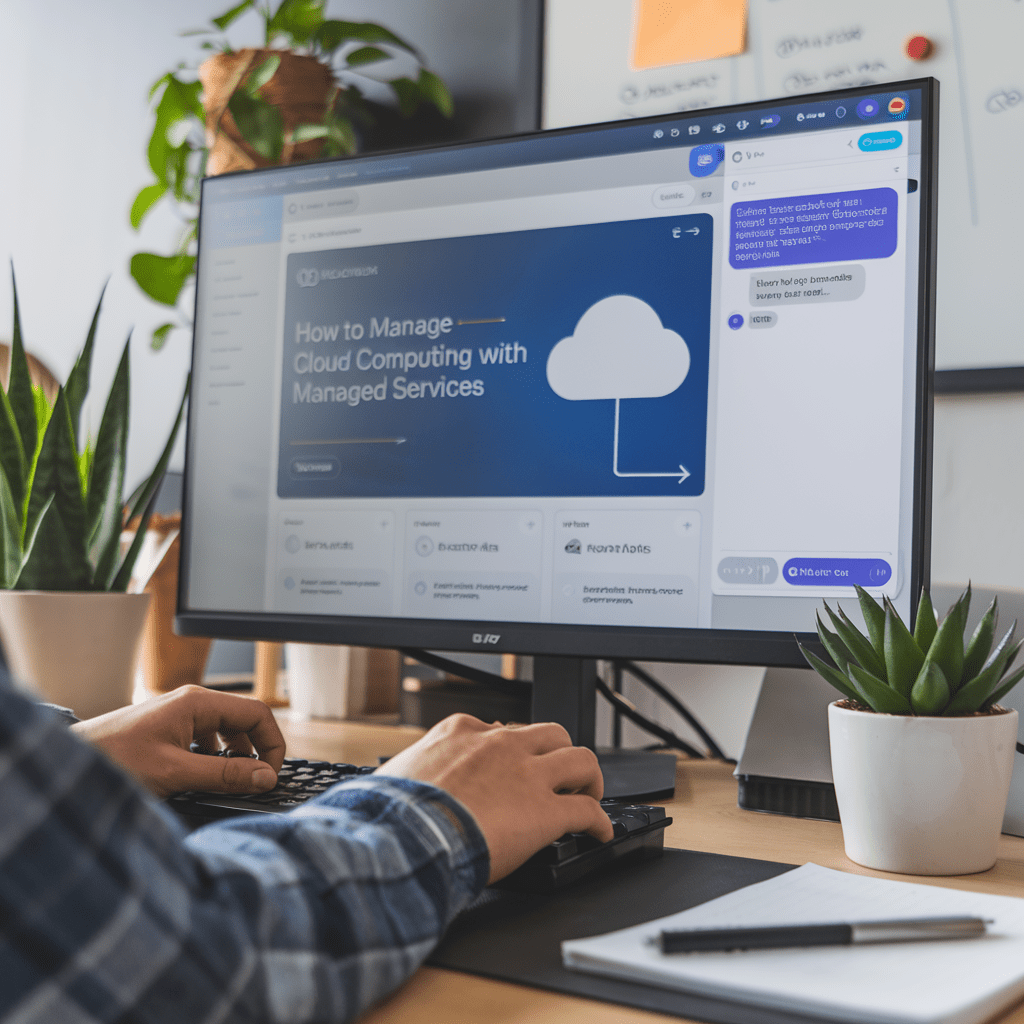
In today’s fast-paced business world, cloud computing has become a game-changer, offering unparalleled flexibility, scalability, and cost-efficiency. However, managing cloud infrastructure can be a daunting task, requiring specialized skills and resources. That’s where managed services come into play, providing a comprehensive solution to help businesses navigate the complexities of cloud computing.
Imagine you’re planning a road trip, and you have two options: drive your own car or hire a professional driver. While driving your own car may seem like the more cost-effective option, it also means you have to worry about maintenance, navigation, and dealing with unexpected situations. On the other hand, hiring a professional driver allows you to sit back, relax, and enjoy the journey, knowing that an expert is handling the logistics.
Similarly, managing cloud computing on your own can be like driving your own car on a long road trip. You have to worry about server management, security, compliance, and a host of other issues. But by partnering with a managed service provider (MSP), you can hand over the keys to a team of experts who have the knowledge, tools, and resources to ensure your cloud computing journey is smooth and successful.
The Benefits of Managed Services for Cloud Computing
When you combine the power of cloud computing with the expertise of managed services, the benefits are numerous:
- Cost Savings: By outsourcing cloud management to an MSP, you can reduce costs associated with hardware, software, and in-house IT staff. MSPs often offer flexible pricing models, allowing you to scale up or down as needed.
- Improved Efficiency: MSPs use advanced automation tools and best practices to streamline cloud management, freeing up your internal IT team to focus on strategic initiatives.
- Enhanced Security: MSPs prioritize security and implement robust measures to protect your data, including regular backups, disaster recovery, and compliance with industry standards.
- Scalability and Flexibility: As your business grows, your cloud computing needs change. MSPs can help you scale your infrastructure up or down, ensuring that you always have the resources you need.
- Access to Expertise: “When you partner with an MSP, you gain access to a team of cloud experts who stay up-to-date with the latest technologies and best practices. This allows you to leverage the full potential of cloud computing without having to invest in training your own staff. MSP Columbus, a leading provider of cloud computing Columbus, can help you migrate to the cloud and take advantage of all the benefits it has to offer.
Strategies for Managing Cloud Computing with Managed Services
Ready to take your cloud computing to the next level with managed services? Here are some strategies to help you get started:
- Assess Your Current Cloud Infrastructure: Before you can optimize your cloud computing with managed services, you need to understand what you’re working with. Take a close look at your existing cloud infrastructure, identify any pain points or bottlenecks, and determine what areas could benefit from outsourcing.
- Choose the Right MSP: Not all managed service providers are created equal. Look for an MSP that specializes in cloud computing, has a proven track record of success, and aligns with your business goals. Consider factors such as their expertise, reputation, and the specific services they offer.
- Develop a Clear Cloud Strategy: Work with your MSP to develop a comprehensive cloud strategy that aligns with your business objectives. This should include a roadmap for migrating to the cloud, optimizing your cloud infrastructure, and leveraging managed services to enhance performance and security.
- Implement Robust Security Measures: Security is a top priority when it comes to cloud computing. Work with your MSP to implement strong security measures, such as encryption, access controls, and regular security audits. This will help protect your data from cyber threats and ensure compliance with industry regulations.
- Monitor and Optimize: Managing cloud computing is an ongoing process, not a one-time event. Work with your MSP to continuously monitor your cloud infrastructure, identify areas for improvement, and make adjustments as needed. Regular optimization will help ensure that your cloud computing remains efficient, cost-effective, and aligned with your business goals.
The Role of Automation in Cloud Management
Automation is a game-changer when it comes to managing cloud computing with managed services. By leveraging advanced tools and technologies, MSPs can automate many of the routine tasks associated with cloud management, such as server provisioning, software updates, and security monitoring.
One example of how automation can enhance cloud management is in the area of cost optimization. MSPs can use automation to continuously monitor your cloud usage, identify areas of waste or inefficiency, and make recommendations for optimizing your spending. This can help you avoid unexpected costs and ensure that you’re getting the most value from your cloud investment.
Conclusion
Managing cloud computing can be a complex and time-consuming task, but with the help of managed services, it doesn’t have to be. By partnering with an experienced MSP, you can unlock the full potential of cloud computing while enjoying the benefits of improved efficiency, enhanced security, and cost savings.
Think of it like hiring a personal assistant to help you manage your busy schedule. While you could try to handle everything on your own, having an expert by your side can make all the difference in terms of productivity, stress levels, and overall success.
So, what are you waiting for? It’s time to take your cloud computing to the next level with managed services. Your business will thank you for it.
FAQs
- What is the difference between cloud computing and managed services?
Cloud computing refers to the delivery of computing services over the internet, while managed services involve outsourcing the management and maintenance of those services to a third-party provider. - How do I choose the right managed service provider for my cloud computing needs?
When selecting an MSP, look for a provider with experience in your industry, a strong track record of success, and a commitment to staying up-to-date with the latest cloud technologies and best practices. Consider factors such as their expertise, pricing models, and the specific services they offer. - What are the key areas of cloud computing that managed services can help with?
Managed services can help with a wide range of cloud computing tasks, including server management, security, compliance, cost optimization, and performance monitoring. MSPs can also assist with cloud migration, disaster recovery, and application management. - How do I ensure that my cloud computing remains secure with managed services?
Work closely with your MSP to implement robust security measures, such as encryption, access controls, and regular security audits. MSPs should also have a strong track record of compliance with industry regulations and a commitment to protecting your data from cyber threats. - How do I measure the success of my managed services for cloud computing?
Success can be measured in a variety of ways, such as cost savings, improved efficiency, enhanced security, and increased scalability. Work with your MSP to establish key performance indicators (KPIs) that align with your business goals and regularly review your progress against those metrics.
 Luixa
Luixa 
Leave a comment