When it comes to ensuring your home in Canton, Georgia, is comfortable and energy-efficient, evaluating your insulation options is crucial. With various insulation materials available, each offering its own set of benefits, it can be overwhelming to choose the right one for your needs. In this article, we’ll guide you through the process of evaluating insulation options, focusing on the factors you should consider to make an informed decision.
Understanding Insulation and Its Importance
Insulation plays a vital role in maintaining a comfortable indoor environment by reducing heat transfer between the inside and outside of your home. In the summer, insulation keeps the cool air in, while in the winter, it helps retain warmth. Proper insulation not only enhances comfort but also leads to significant energy savings by reducing the workload on your heating and cooling systems.
Why Evaluate Your Insulation Options?
As a homeowner, evaluating your insulation options is essential for several reasons:
- Energy Efficiency: The right insulation can significantly lower your energy bills by minimizing heat loss and gain.
- Comfort: Proper insulation helps maintain consistent indoor temperatures, reducing drafts and hot spots.
- Mold Prevention: Effective insulation can prevent moisture buildup, reducing the risk of mold growth.
- Noise Reduction: Some insulation materials offer soundproofing benefits, creating a quieter living environment.
- Home Value: Investing in quality insulation can increase your home’s resale value and appeal to potential buyers.
Key Factors to Consider When Evaluating Insulation Options
1. R-Value
The R-value measures an insulation material’s ability to resist heat flow. A higher R-value indicates better insulating effectiveness. When evaluating insulation options, consider the R-value recommended for your specific climate zone. For Canton, Georgia, the recommended R-value for attic insulation is typically between R-38 and R-60.
2. Type of Insulation
There are several types of insulation to choose from, each with its own advantages and disadvantages:
- Fiberglass Batts: This is one of the most common insulation types. It’s relatively inexpensive and easy to install but may not provide a perfect seal against air leaks.
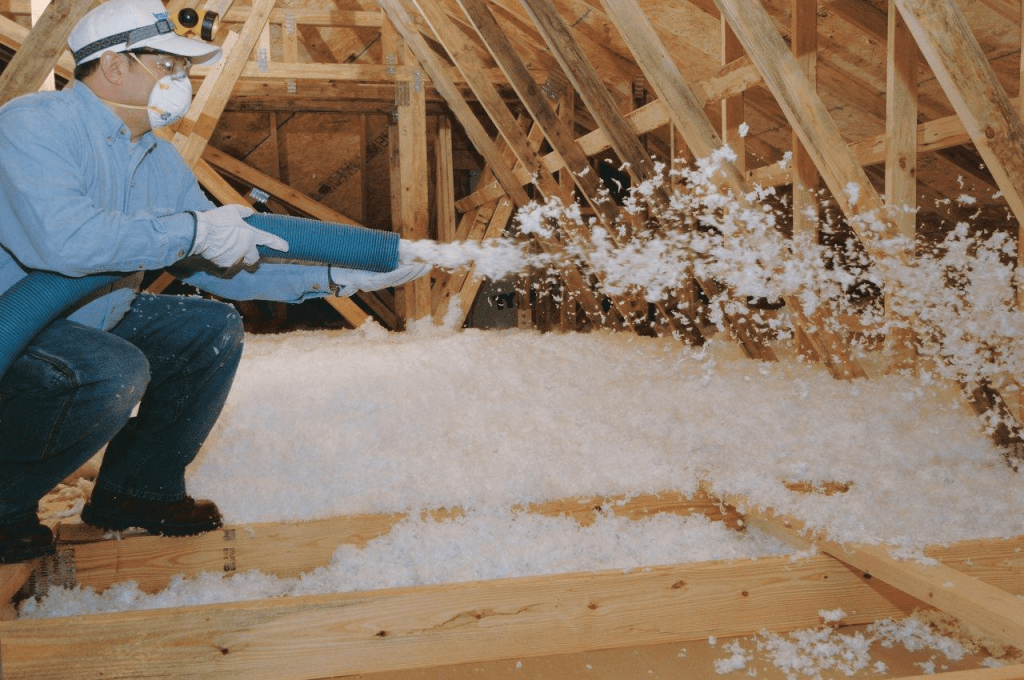
- Blown-In Fiberglass: This option is great for filling gaps and voids in attics and walls. It provides excellent coverage and can be installed in hard-to-reach areas.
- Spray Foam Insulation: Known for its superior air-sealing properties, spray foam insulation expands upon application, filling every nook and cranny. It offers high R-values and excellent moisture resistance.
- Cellulose Insulation: Made from recycled paper products, cellulose is an eco-friendly option that provides good thermal performance and soundproofing qualities.
- Reflective or Radiant Barrier: This type of insulation reflects radiant heat away from living spaces, making it particularly effective in hot climates.
3. Installation Method
The installation method can significantly affect the performance of your insulation. Some insulation types, like fiberglass batts, can be a DIY project, while others, like spray foam or blown-in insulation, are best left to professionals. Consider your comfort level with DIY projects and the complexity of the installation when making your choice. For expert installation of spray foam insulation, contact Epic Spray Foam.
4. Moisture Resistance
In humid climates like Georgia, moisture resistance is critical. Insulation that absorbs moisture can lead to mold growth and reduced effectiveness. Closed-cell spray foam and certain types of rigid foam insulation offer excellent moisture resistance, making them suitable options for areas prone to humidity.
5. Soundproofing Qualities
If noise reduction is a priority for you, consider insulation materials that provide soundproofing benefits. Fiberglass and cellulose insulation can help dampen sound transmission between rooms, creating a quieter home environment.
6. Environmental Impact
For eco-conscious homeowners, the environmental impact of insulation materials is an important consideration. Look for insulation made from recycled materials or those that have low volatile organic compound (VOC) emissions. Cellulose insulation is often a popular choice for its eco-friendly properties.
7. Cost
Budget is always a factor when evaluating insulation options. While some materials may have a higher upfront cost, they can lead to significant savings on energy bills in the long run. Consider the total cost of installation and potential energy savings over time when making your decision.
Table of Common Insulation Types and Their Features
| Insulation Type | R-Value per Inch | Moisture Resistance | Soundproofing Qualities | Eco-Friendly |
|---|---|---|---|---|
| Fiberglass Batts | 2.9 – 3.8 | Moderate | Moderate | No |
| Blown-In Fiberglass | 3.1 – 4.3 | Moderate | Good | No |
| Spray Foam Insulation | 5.8 – 6.5 | Excellent | Excellent | Yes (closed-cell) |
| Cellulose Insulation | 3.1 – 3.8 | Good | Good | Yes |
| Reflective Barrier | 3.0 – 7.0 | N/A | Low | Yes |
Conclusion
Evaluating insulation options for your Canton home is essential for creating a comfortable, energy-efficient living environment. By considering factors such as R-value, type of insulation, installation method, moisture resistance, soundproofing qualities, environmental impact, and cost, you can make an informed decision that meets your specific needs.
Remember, the right insulation can lead to significant energy savings, improved comfort, and a healthier home. If you’re unsure about which insulation option is best for you, consider consulting with a professional insulation contractor who can assess your home and provide tailored recommendations.
FAQs
1. What is the most important factor to consider when choosing insulation?
The most important factor is the R-value, which measures the insulation’s ability to resist heat flow. A higher R-value indicates better insulating effectiveness.
2. What are the different types of insulation available?
Common insulation types include fiberglass batts, blown-in fiberglass, spray foam insulation, cellulose insulation, and reflective barriers.
3. Can I install insulation myself?
Some insulation types, like fiberglass batts, can be installed as a DIY project, while others, such as spray foam or blown-in insulation, are best left to professionals.
4. How does insulation affect energy efficiency?
Proper insulation helps minimize heat transfer, reducing the workload on your heating and cooling systems. This leads to lower energy bills and improved comfort.
5. Is moisture resistance an important factor in Canton?
Yes, in Canton’s humid climate, moisture resistance is crucial to prevent mold growth and maintain insulation effectiveness. Closed-cell spray foam and rigid foam insulation offer excellent moisture resistance.
6. Can insulation help with noise reduction?
Yes, certain insulation materials like fiberglass and cellulose can provide soundproofing benefits by dampening sound transmission between rooms.
7. What is the recommended R-value for attic insulation in Canton?
For Canton, the recommended R-value for attic insulation is typically between R-38 and R-60.
8. Is there an eco-friendly insulation option?
Yes, cellulose insulation is made from recycled paper products and is considered an eco-friendly choice. Spray foam insulation with low volatile organic compound (VOC) emissions is also an environmentally friendly option.
9. How do I determine the total cost of insulation?
Consider the upfront cost of materials and installation, as well as the potential energy savings over time. Consulting with a professional insulation contractor can help you estimate the total cost for your specific needs.
10. Should I consult with a professional when choosing insulation?
Consulting with a professional insulation contractor is recommended, as they can assess your home’s specific needs and provide tailored recommendations based on factors like climate, energy efficiency goals, and budget.
 Luixa
Luixa 
Leave a comment